

FTAs set to transform India’s Rs 3.2-lakh-crore alcobev industry
FTAs set to transform India’s Rs 3.2-lakh-crore alcobev industry
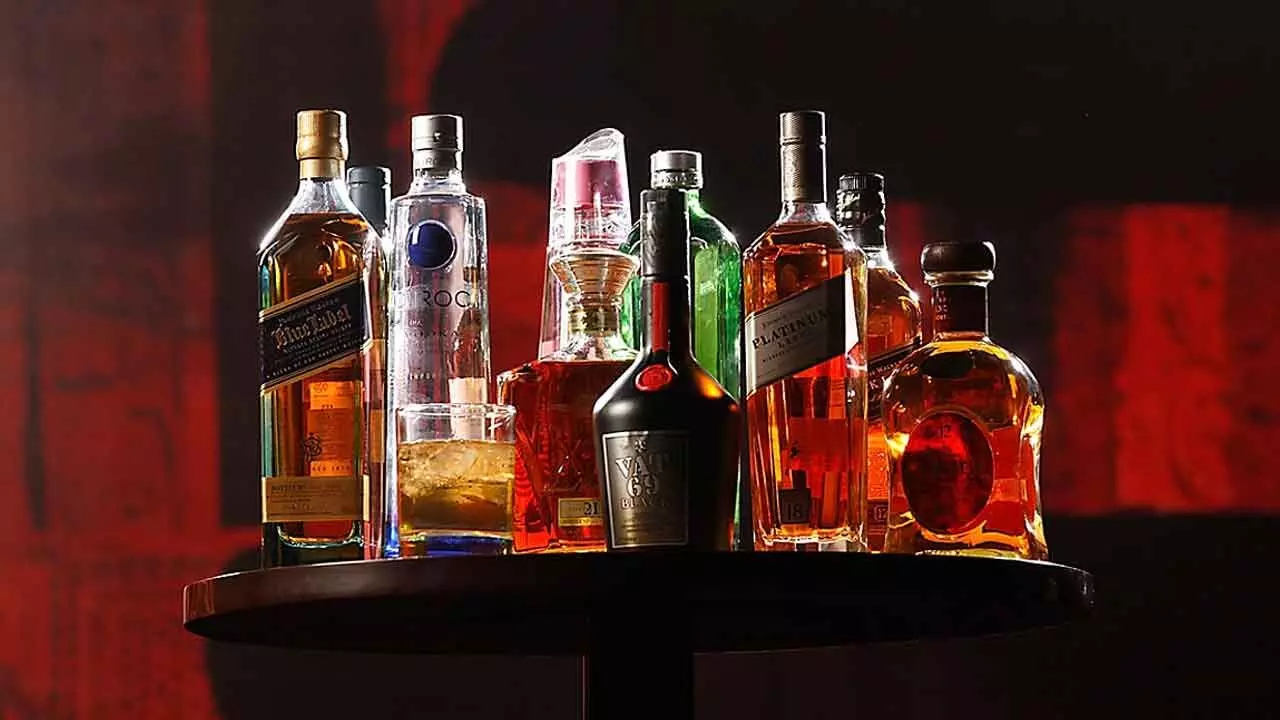
The Indian alcoholic beverage (alcobev) industry is entering a transformative phase following the conclusion of landmark Free Trade Agreements (FTAs), most notably with the European Union (announced in early 2026) and the United Kingdom. These agreements adopt a “calibrated” approach to tariff reduction, gradually lowering import duties on wines and spirits from the current 150% to as low as 20–40% over the next seven years. The shift is expected to accelerate premiumisation while intensifying competition in the market.
India’s alcobev market is vast, valued at over ₹3.2 lakh crore, but remains largely domestic in character. Indian-made foreign liquor (IMFL) and locally brewed beer dominate both volume and value, while imported products occupy a relatively small, premium-focused niche.
Under the India–EU FTA, expected to take effect in 2027, tariffs on European wine will fall from 150% to 75% immediately. Over seven years, duties will decline further to around 20% for premium wines and 30% for mid-range offerings. Tariffs on EU spirits, including whisky, gin and rum, will fall to roughly 40%. Similarly, the UK FTA is projected to reduce the retail price of imported Scotch whisky by around 15–20%.
Lower import duties will make international brands more accessible to Indian consumers, reinforcing an ongoing trend of trading up from mass-market products to premium labels. While domestic producers such as Sula Vineyards and Radico Khaitan may face increased competition, the impact is expected to be limited. The agreements include Minimum Import Price (MIP) thresholds, €2.5 per bottle for wine, which help protect lower-end domestic products.
The FTAs also open export opportunities for Indian producers. In particular, Indian single malt whisky makers are likely to benefit from improved access to European markets, strengthening global branding under the “Make in India” initiative.
Despite these tariff reductions, alcohol remains a state subject in India. State governments retain the authority to impose excise duties, registration fees and value-added taxes, which could offset some of the price benefits from lower import tariffs. In addition, direct advertising restrictions and tightly controlled retail distribution may limit how quickly new international brands can expand their market share.
Competition from global brands has already encouraged Indian companies to upgrade quality and innovate. This shift has contributed to the success of premium Indian single malts and craft gins, as producers increasingly focus on niche, high-value segments.
The post-FTA landscape is not a "sudden shock" but a gradual reset. The next decade will see a push for higher quality in both imported and domestic products, with a focus on value creation rather than pure volume growth. The market is expected to shift toward better-quality products, with premium Indian brands competing directly with international ones.
The tariff structure encourages foreign brands to import in bulk and bottle in India (BII) to benefit from lower taxes, boosting local manufacturing partnerships.
The FTA allows Indian spirits (particularly whisky) to gain better access to the European market, aiding in global branding.
The competition is driving innovation, with local producers focusing on premium, craft, and niche products to differentiate from imported spirits.
The industry generally welcomes the long-term potential for growth in the $52 billion, 7–8% CAGR sector, while maintaining caution regarding potential dumping of low-cost imports.
Despite reduced import tariffs, state-level excise duties and taxes remain high and fragmented, which could limit the final price reduction for consumers. The industry has sought, and is monitoring, the strict implementation of "Rules of Origin" to ensure that products from non-EU countries do not misuse the agreement. 2026 marks the beginning of a new era for Indian alcobev, where quality and brand equity will define success over simple price protection, transforming India into a more competitive, high-end, and open global spirits market.





